
Ingrown Toenail Treatment
Introduction to Ingrown Nails
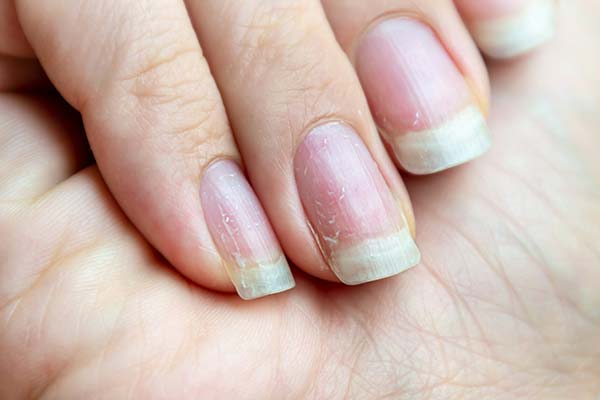
- Ingrown nails, also known as onychocryptosis, occur when the edge of a nail grows into the surrounding skin, often causing pain, swelling, and potential infection.
Causes of Ingrown Nails
- Ingrown nails can result from various factors, including:
- Improper nail trimming, such as cutting nails too short or rounding the edges.
- Tight or ill-fitting shoes that put pressure on the toenails.
- Injury to the toenail or nail bed.
- Genetics, as some individuals may be more prone to ingrown nails.
Symptoms of Ingrown Nails
Common symptoms of ingrown nails include :
- Pain, tenderness, or redness along the nail edge.
- Swelling and inflammation.
- Pus or discharge if infection develops.
- Difficulty wearing shoes or walking comfortably.
Treatment Options
Treating ingrown nails often involves the following approaches :
- Soaking the Foot: Soaking the affected foot in warm water can help soften the skin and ease pain.
- Proper Nail Trimming: Trim the nail straight across, avoiding rounded edges.
- Lifting the Nail: Gently lifting the ingrown edge with a small piece of cotton or dental floss can encourage the nail to grow above the skin.
- Topical Antibiotics: If there is an infection, applying topical antibiotics can help.
- Oral Antibiotics: For severe infections, a healthcare provider may prescribe oral antibiotics.
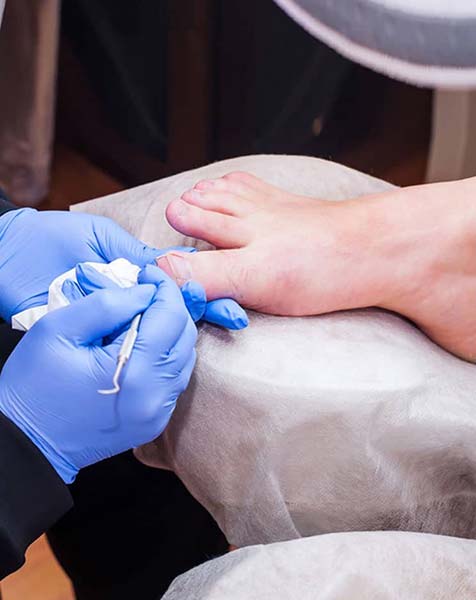
- Surgical Intervention: In some cases, a healthcare provider may need to remove the ingrown portion of the nail.
Prevention Strategies
To prevent ingrown nails, consider the following strategies:
- Trim your nails straight across, not too short.
- Wear well-fitting shoes that provide enough room for your toes.
- Avoid wearing tight hosiery and shoes that compress the toes.
- Protect your feet from injury.
- Maintain good foot hygiene, keeping your feet clean and dry.