
Nail Fungus Treatments
Introduction to Nail Fungus
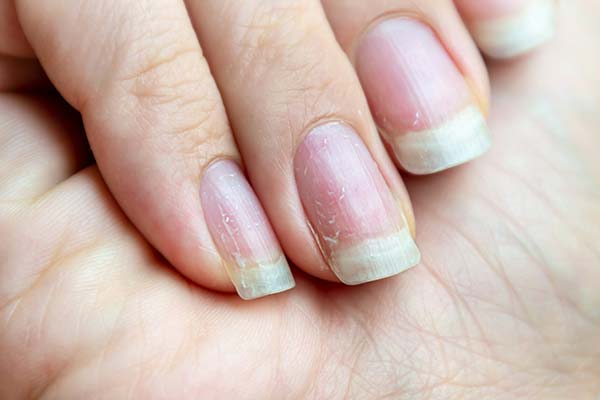
Nail fungus, also known as onychomycosis, is a common fungal infection that affects the nails, typically the toenails. It can result in discolored, thickened, and brittle nails.
Causes of Nail Fungus
- Nail fungus is often caused by dermatophytes, a type of fungi, but can also be due to yeasts and molds.
- Common risk factors include warm and humid environments, injury to the nail, poor nail hygiene, and compromised circulation.
Symptoms of Nail Fungus
Nail fungus can present with symptoms such as:
- Yellow or brown discoloration of the nail.
- Thickened or brittle nails.
- Distorted nail shape.
- White spots on the nail surface.
- A foul odor from the infected nail.
Treatment Options
- Topical Minoxidil: A topical solution applied to the scalp, which can promote hair growth.
- Oral Finasteride: A prescription medication that can block the effects of DHT in men.
- Low-Level Laser Therapy (LLLT): Devices that use low-level lasers or light-emitting diodes to stimulate hair growth.
- Laser Therapy : Laser treatment can target and eliminate the fungus.
- Nail Removal: In severe cases, surgical removal of the infected nail may be necessary.

Prevention Strategies
To reduce the risk of nail fungus, consider the following prevention strategies:
- Keep nails clean and dry, regularly trimming and filing them.
- Avoid sharing nail clippers or files.
- Wear breathable socks and shoes, and avoid tight-fitting footwear.
- Use antifungal powders or sprays in shoes and on feet.
- Protect your feet in public places like gyms and swimming pools by wearing flip-flops.
- Be cautious with nail salons, ensuring that they follow proper sanitation practices.
- Maintain good foot hygiene, including washing and drying your feet thoroughly.